



Posts with tag 'Working From Home'
- 2026 | 1 Posts
- 2025 | 3 Posts
- 2024 | 3 Posts
- 2023 | 5 Posts
- 2022 | 4 Posts
- 2021 | 7 Posts
- 2020 | 18 Posts
- 2019 | 16 Posts
- 2018 | 2 Posts
 RSS Feed
Subscribe and receive email notifications of new blog posts.
27
Ten Home Features Buyers Are Looking For Now
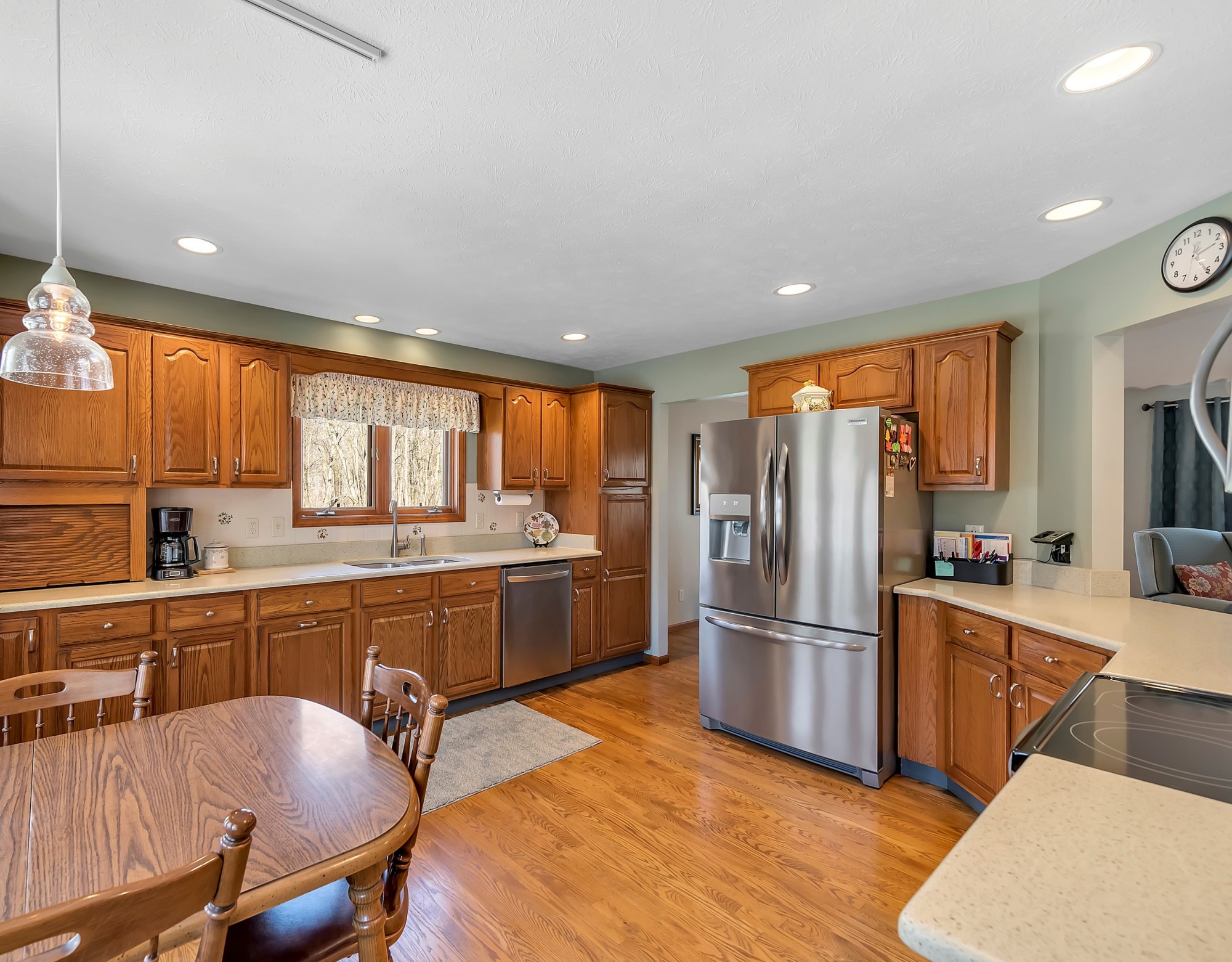
Seller's market though it is, the buyers are the ones spending the money. Unless they're in a position where they must purchase quickly, most buyers will hold out for a home with the features they really want. Does your home have any of the most popular buyer requests? Based on recent personal experience working with buyers (giving feedback) and sellers (receiving feedback), as well as conversations with colleagues, these are the ten most sought after features in a home:
---
BATHROOM SPACE. If a home doesn't have an adequate number of bathrooms, one of the most important considerations will be whether, and where, another one can be added. Is there a place where one would make sense? The size of the room is also important – more often than not, buyers will regard a "shoe...
2
Move-Up vs. Second Home: Which One is Right for You?

The pandemic has changed the way many of us live, work, and attend school—and those changes have impacted our priorities when it comes to choosing a home.
With virtual school and working from home a reality for many families, the need for additional space has only intensified. A growing number of buyers are choosing homes which offer more space both inside and out.
But not everyone is permanently sold on suburban or rural life. Instead, some are choosing to purchase a second home as a frequent getaway, often where they can work or homeschool for awhile, if necessary. Without the requirements of a five-day commute, many homeowners feel less tethered to their primary residence and are eager for a change of scenery after spending so much time at home earlier in the year.
If you're feeling cramped in your current space, you've probably considered a move. But what type of home would suit you best: a move-up home or a second home? Let's explore each option to help you determine which one is right for you.
WHY CHOOSE A MOVE-UP HOME?
A move-up home is typically a larger or nicer home. It's a great choice for families or individuals who simply need more space, a better location, or want features their current home doesn't offer—like an inground pool, a different floor plan, or a dedicated home office. If you're struggling with a lack of functional or outdoor space currently, a move-up home can greatly improve your everyday life.
Most move-up buyers will sell their current home and use the proceeds as a down payment on their next one. I can help you estimate how much you could expect to net if you sold your existing home. And with mortgage rates at their lowest level in history, you may be surprised how much home you can actually afford.
To learn more about mortgage rates, contact me for a free copy of my report "Lowest Mortgage Rates in History: What it Means for Homeowners and Buyers"!
If you like where you are but are longing for that vacation vibe, a second home may be a better choice for you.
WHY CHOOSE A SECOND HOME?
Once reserved for the ultra-wealthy, second homes have become more mainstream. Home sales are surging in Southwest Michigan as more people come into the area searching for a place to escape the crowds and quarantine in comfort. Instead of trips, some families are channeling their vacation budgets into vacation homes that can be utilized throughout the year.
A second home can also be a good option if you're preparing for retirement. By purchasing your retirement home now, you can get financed while you're still working, lock in a low interest rate, start paying down the mortgage, and begin enjoying the perks of retirement living early. Down the road, when you're ready to sell your current home and make the second home your primary residence, you will see significant savings on your property taxes.
One advantage of choosing a second home is that you can offset a portion of the costs—and in some cases turn a profit—by renting it out on a platform like Airbnb or Vrbo. However, be sure to research whether short-term rentals are allowed in the specific location where you plan to buy, as some areas have restrictions.
WHICH ONE IS RIGHT FOR ME?
You may read this and think: I'd really like both a move-up home AND a second home! But if you're dealing with a limited budget (aren't we all?), you'll probably need to make a choice. These three tasks can help you decide which option is right for you.
1. Determine Your Time and Financial Budget
You may meet the bank's qualifications to purchase a home, but do you have the time, energy, and financial resources to maintain it? This is an important question to ask yourself, no matter what type of home you choose.
Most buyers realize that a second home will mean double mortgages, utilities, taxes, and insurance. But consider all the extra time and expense that goes into maintaining two properties. Two lawns to mow. Two houses to clean. Two sets of systems and appliances that can malfunction. Second homes aren't always a vacation. Make sure you're prepared for the labor and carrying costs that go into maintaining another residence.
Of course, some move-up homes require more work than a second home. For example, if your move-up option is a major fixer-upper, you'll probably invest more energy and capital than you would on a small vacation condo by the beach. Have an honest discussion about how much time and money you want to spend on your new property. Would a move-up home or a second home be a better fit given your parameters?
2. Rank Your Priorities
If you're still undecided, make a wish list of the characteristics you'd like in your new home. Then rank each item from most to least important. This exercise can help you determine your "must-have" features—and which ones you may need to sacrifice or delay. Here's a sample to help you get started:
| RANK # | FEATURE |
| Dedicated home office | |
| Main floor master suite | |
| Privacy | |
| Big back yard | |
| Close to stores | |
| Easy access to beach | |
| Close to friends and family | |
| Investment potential |
3. Explore Your Options
Once you've determined your parameters and priorities, it's time to begin your home search.
If you're still not sure whether a move-up home or a second home is right for you, I can help.
Contact me to schedule a free consultation. We'll discuss your options and help you assess the pros and cons of each, given your unique circumstances.
I can also send you property listings for both move-up homes and second homes within your budget so you can better envision each scenario. Sometimes, viewing listings of homes that meet your criteria can make the decision clear.
LET'S GET MOVING!
Whether you're ready to make a move now or need help weighing your options, I'd love to help. I can determine your current home's value, put you in touch with a lender so you are certain of your buying power, and show you local properties that fit within your budget. Waterfront homes are in high demand, so if you have one you don't get much use out of anymore, now is a great time to cash in. Or, if your heart is set on a second home in another market, I can refer you to a worthy agent in your dream locale. Contact me today to schedule a free, no-obligation consultation!
3
Is Now a Good Time to Buy or Sell Real Estate?

Traditionally, spring is one of the busiest times of the year for real estate. However, the coronavirus outbreak—and subsequent stay-at-home orders—led many buyers and sellers to put their moving plans on hold. Across the country in April, new listings fell nearly 45%, and sales volume fell 15% compared to last year.1
Fortunately, as restrictions have eased, we've seen an uptick in market activity, most notably here in Michigan where real estate had been completely shut down. And economists at Realtor.com expect a rebound in July, August, and September, as fears about the pandemic subside, and buyers return to the market with pent-up demand from a lost spring season.2
4
20 Ways to Save Money and Stretch Your Household Budget

These days, it seems like everyone's looking for ways to cut costs and stretch their income further. Fortunately, there are some simple steps you can take to reduce your household expenses without making radical changes to your standard of living. When combined, these small adjustments can add up to significant savings each month.
Here are 20 things you can start doing today to lower your bills, secure better deals, and begin working toward your financial goals.
- Refinance Your Mortgage - For prime borrowers, mortgage rates are at or near historic lows. Depending on your current mortgage rate and the terms you choose, refinancing could save you a siz...
14
Set Your Home Office Up For Success: 6 Tips To Get Started

It looks like a lot of us will continue to work from home for longer than we thought. And although at some point many will return to their offices, I predict there will be a significant segment of the workforce who will make working from home their new normal.
If you've hastily set up a work area with the expectation that it's only temporary, you might now be feeling the need for a more permanent arrangement. As I've been largely working from home for the past several years while homeschooling my children, I'll gladly share my best practices for home office bliss.



Disclaimer: All information deemed reliable but not guaranteed. All properties are subject to prior sale, change or withdrawal. Neither listing broker(s) or information provider(s) shall be responsible for any typographical errors, misinformation, misprints and shall be held totally harmless. Listing(s) information is provided for consumers personal, non-commercial use and may not be used for any purpose other than to identify prospective properties consumers may be interested in purchasing. Information on this site was last updated 09/12/2026. The listing information on this page last changed on 09/12/2026. The data relating to real estate for sale on this website comes in part from the Internet Data Exchange program of Delta Media Group MLS (last updated Sat 09/12/2026 12:08:50 PM EST) or MichRic (Michigan Regional Information Center) (last updated Sat 09/12/2026 12:03:18 PM EST) or NIRA MLS (last updated Sat 09/12/2026 12:05:02 PM EST) or IRMLS (last updated Sat 09/12/2026 12:02:31 PM EST). Real estate listings held by brokerage firms other than Cressy & Everett Real Estate may be marked with the Internet Data Exchange logo and detailed information about those properties will include the name of the listing broker(s) when required by the MLS. All rights reserved.
Privacy Policy / DMCA Notice / ADA Accessibility


