Cynthia Trapp
Licensed in MI & IN Managing Broker, Edwardsburg & Niles Offices
REALTOR®, RSPS, SRS, ABR, GRI



At Home in Southwest Michigan
 RSS Feed
- 2026 | 1 Posts
- 2025 | 3 Posts
- 2024 | 3 Posts
- 2023 | 5 Posts
- 2022 | 4 Posts
- 2021 | 7 Posts
- 2020 | 18 Posts
- 2019 | 16 Posts
- 2018 | 2 Posts
Buying a Home | 2 Posts
Buying A Home | 10 Posts
Community Events | 1 Posts
Company News | 1 Posts
Cressy & Everett | 2 Posts
First-time Buyers | 1 Posts
Helpful Tips | 3 Posts
Homeownership | 1 Posts
Market Info | 5 Posts
Michiana | 1 Posts
Saving Money | 2 Posts
Selling A Home | 28 Posts
South Bend IN | 1 Posts
Staying Home | 2 Posts
Uncategorized | 2 Posts
Yard & Maintenance | 1 Posts
RSS Feed
Subscribe and receive email notifications of new blog posts.
December
9
9
7 Stages of Selling Your Home
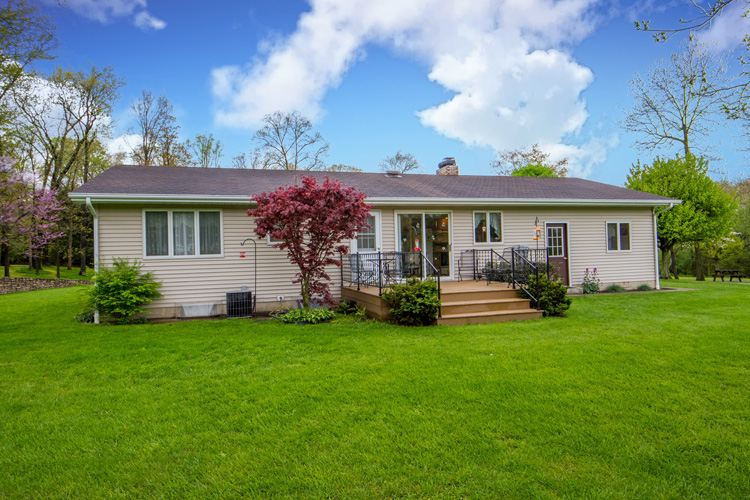 If you're about to put your home up for sale, you may not be sure what to expect, even if you've been through this before. Just as each home is unique, so no two home sales are exactly the same, and it pays to have someone in your corner who will guide you through the process. Here are seven stages of home selling and what to watch out for along the way.
1.TIMING & PRICING
Going hand in hand, timing and pricing are crucial factors to consider when putting your home up for sale. You know your needs best, so if you're in a position where you have to sell, there's not much you can do about the timing. If you have some flexibility, however, it's smart to do some research online and check housing stats with your local Realtor association to find out how many homes have recently sold in your area, how many are for sale now, and whether it's currently a buyer's or a seller's market. While seasonal factors come into play, keep in mind that people move at all times of the year, so don't assume that your home won't sell just because it's cold outside.
Pricing is the hardest part for many homeowners to come to terms with. It should be decided with as little emotion as possible. It's a huge mistake to rely on automated values you find online or on anecdotal evidence from friends and neighbors; neither of these will tell you the whole story. Online values are based solely on data and leave out important factors like nuances of location, quality of construction, and actual condition of the home. Friends and neighbors may think your house is just like the one they sold, but they may not take into consideration differences in square footage or the relative value of certain features. It's best to get the opinion of someone who does this for a living.
2. PREPARATION
Is your home ready to be sold? Deferred maintenance and clutter are your two biggest enemies when putting your home on the market. Be proactive by de-cluttering, thinning out your closets and packing away your most personalized decorations before photos are taken. Just as important are the little things you've learned to ignore but which could prevent a sale: cracked windows, grimy buildup in the corners, clogged gutters, missing trim, loose doorknobs or a whole host of other possible issues. They might seem insignificant to you, but they can signal buyers that your home has not been properly maintained and there may be even more serious issues yet to be discovered. It's truly worth the effort to spend some time going through your home room by room, looking for potential problems, de-cluttering and deep cleaning. Get some help if you need to.
3. MARKETING
When choosing who will represent you in the sale of your biggest asset, the single most consideration is trust. Do you trust your agent to put forth as much effort as necessary to market your home professionally, to showcase its special qualities to the largest number of people possible in a way that will make buyers want to come see it? Do you trust them to keep your best interests at the forefront of all they do? Many Realtors have experience, and most are very nice people who would never purposely harm the sale of your home, but it takes more than that. In addition to skills, experience and likability you need someone who is savvy, devoted to your satisfaction and determined to get it sold…someone who is not passive, but actually aggressive in marketing your home and drawing in those buyers.
4. NEGOTIATIONS
Most offers are not written to your ideal standards, but that doesn't mean you can't negotiate for more acceptable terms. This is a give and take process, often full of tension. When your Realtor presents you with an offer, it will require careful thought and analysis, weighing the pros and cons. Your Realtor should work well with the buyer's agent, keeping things as smooth and professional as possible, even if the buyer or their agent is being difficult; they should keep a cool head and think through all the possibilities to help you reach an agreement you are comfortable with.
5. INSPECTIONS
Once an agreement has been reached, the clock starts ticking to get through inspections. This is a tense time as both sides hope for good results. Depending on what the inspections reveal, the buyers will have an opportunity to walk away from the deal or negotiate for repairs. They might request you to replace or repair certain items, or ask for money off the sale price in order to take care of it themselves after closing. Either way, your Realtor can help you negotiate acceptable terms to keep the deal going. Once all the inspections are signed off on, the lender will order the appraisal.
6. APPRAISAL
This is your last big hurdle in the sales process. The lender will send an appraiser to look over your home and determine if it's worth the loan amount. Unfortunately, everyone is at the mercy of the appraiser. Depending on the type of loan and the person doing the appraisal, this can be a quick, painless process, or it can grind things to a halt. Assuming you've priced your home right and kept up with maintenance, however, you can reasonably expect 1 to 3 weeks for the appraisal report to be completed, and everyone can move on toward closing.
7. CLOSING
This is the final step, and the culmination of the entire process. Your Realtor will coordinate with you, the buyer's agent, the lender, the title company to get it scheduled. This may be the only time you meet the buyer, and it can be gratifying to see how excited they are to make your home their own. You can finally relax, smile, and enjoy some conversation – it's time to celebrate!
With the right Realtor at your side, you can walk away from the closing table with a check in hand, a smile on your face, and the assurance that you have a knowledgeable resource you can turn to the next time you need help from a real estate expert.



Disclaimer: All information deemed reliable but not guaranteed. All properties are subject to prior sale, change or withdrawal. Neither listing broker(s) or information provider(s) shall be responsible for any typographical errors, misinformation, misprints and shall be held totally harmless. Listing(s) information is provided for consumers personal, non-commercial use and may not be used for any purpose other than to identify prospective properties consumers may be interested in purchasing. Information on this site was last updated 09/23/2026. The listing information on this page last changed on 09/23/2026. The data relating to real estate for sale on this website comes in part from the Internet Data Exchange program of Delta Media Group MLS (last updated Wed 09/23/2026 8:39:04 AM EST) or MichRic (Michigan Regional Information Center) (last updated Wed 09/23/2026 8:37:32 AM EST) or NIRA MLS (last updated Wed 09/23/2026 8:34:47 AM EST) or IRMLS (last updated Wed 09/23/2026 8:38:13 AM EST). Real estate listings held by brokerage firms other than Cressy & Everett Real Estate may be marked with the Internet Data Exchange logo and detailed information about those properties will include the name of the listing broker(s) when required by the MLS. All rights reserved.
Privacy Policy / DMCA Notice / ADA Accessibility


This site is hosted, designed and copyright
© 1994 - 2026 by
Delta Media Group, Inc. -- Patent Pending --
Agency License Information: Cressy & Everett Real Estate is licensed in the states of Indiana and Michigan.
Agent License Information: Cynthia Trapp is licensed to sell real estate in the states of Michigan & Indiana.