Cynthia Trapp
Licensed in MI & IN Managing Broker, Edwardsburg & Niles Offices
REALTOR®, RSPS, SRS, ABR, GRI



At Home in Southwest Michigan
 RSS Feed
- 2026 | 1 Posts
- 2025 | 3 Posts
- 2024 | 3 Posts
- 2023 | 5 Posts
- 2022 | 4 Posts
- 2021 | 7 Posts
- 2020 | 18 Posts
- 2019 | 16 Posts
- 2018 | 2 Posts
Buying a Home | 2 Posts
Buying A Home | 10 Posts
Community Events | 1 Posts
Company News | 1 Posts
Cressy & Everett | 2 Posts
First-time Buyers | 1 Posts
Helpful Tips | 3 Posts
Homeownership | 1 Posts
Market Info | 5 Posts
Michiana | 1 Posts
Saving Money | 2 Posts
Selling A Home | 28 Posts
South Bend IN | 1 Posts
Staying Home | 2 Posts
Uncategorized | 2 Posts
Yard & Maintenance | 1 Posts
RSS Feed
Subscribe and receive email notifications of new blog posts.
September
17
17
The Dangers of Deferred Maintenance
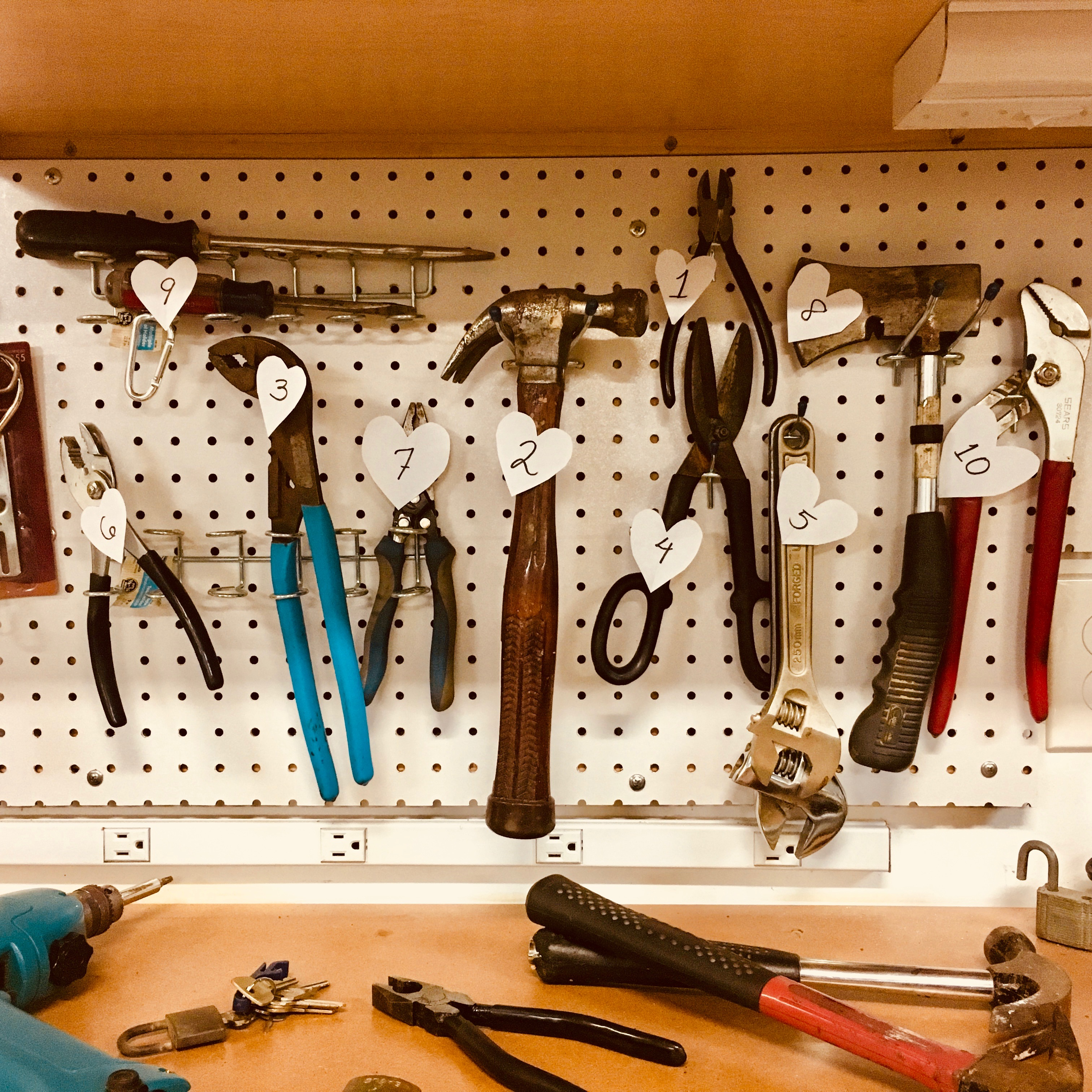
Life moves fast, and it's easy to let home maintenance slip, but that's never a good idea. From clogged gutters to peeling paint to broken trim, a bunch of relatively minor chores can quickly add up to a big problem…especially when you're ready to sell your home.
Once you've accepted an offer, the first thing the buyers will do is have your home inspected. Since no home is perfect, and inspectors are paid to look for problems, they will find them. The home inspection report will detail any problem areas the inspector finds. These can range from the trivial – a loose door handle – to the serious – a cracked foundation. Depending on their disposition and what the inspection reveals, the buyers may choose to walk away at this point, accept the house as-is, or negotiate repairs.
Negotiating for repairs, or receiving credit at closing so the buyers can take care of it themselves later, is the most common result. This phase of the transaction is often tricky and fraught with tension. It can involve obtaining quotes from qualified contractors and might delay closing. This is where all that deferred maintenance comes back to bite you. It can cost you thousands, even tens of thousands of dollars. Think about that for a moment.
The best way to avoid this scenario is to practice preventative maintenance. Staying on top of repairs and replacing things as soon as needed takes effort, but it's part of protecting your investment. If you're nervous about what a home inspection might reveal, it's a good idea to hire your own inspector before putting your house on the market. Knowing ahead of time what could potentially prevent a sale, and having an opportunity to fix it before buyers walk through, ensures you'll have less to worry about as you move toward closing.
Keeping your home in good repair is your responsibility, and essential to getting the most out of your home sale. If you're not sure where to start, I can help.



Disclaimer: All information deemed reliable but not guaranteed. All properties are subject to prior sale, change or withdrawal. Neither listing broker(s) or information provider(s) shall be responsible for any typographical errors, misinformation, misprints and shall be held totally harmless. Listing(s) information is provided for consumers personal, non-commercial use and may not be used for any purpose other than to identify prospective properties consumers may be interested in purchasing. Information on this site was last updated 07/28/2026. The listing information on this page last changed on 07/28/2026. The data relating to real estate for sale on this website comes in part from the Internet Data Exchange program of Delta Media Group MLS (last updated Tue 07/28/2026 12:16:39 AM EST) or MichRic (Michigan Regional Information Center) (last updated Mon 07/27/2026 11:17:38 PM EST) or NIRA MLS (last updated Mon 07/27/2026 11:04:46 PM EST) or IRMLS (last updated Mon 07/27/2026 11:12:57 PM EST). Real estate listings held by brokerage firms other than Cressy & Everett Real Estate may be marked with the Internet Data Exchange logo and detailed information about those properties will include the name of the listing broker(s) when required by the MLS. All rights reserved.
Privacy Policy / DMCA Notice / ADA Accessibility


This site is hosted, designed and copyright
© 1994 - 2026 by
Delta Media Group, Inc. -- Patent Pending --
Agency License Information: Cressy & Everett Real Estate is licensed in the states of Indiana and Michigan.
Agent License Information: Cynthia Trapp is licensed to sell real estate in the states of Michigan & Indiana.